
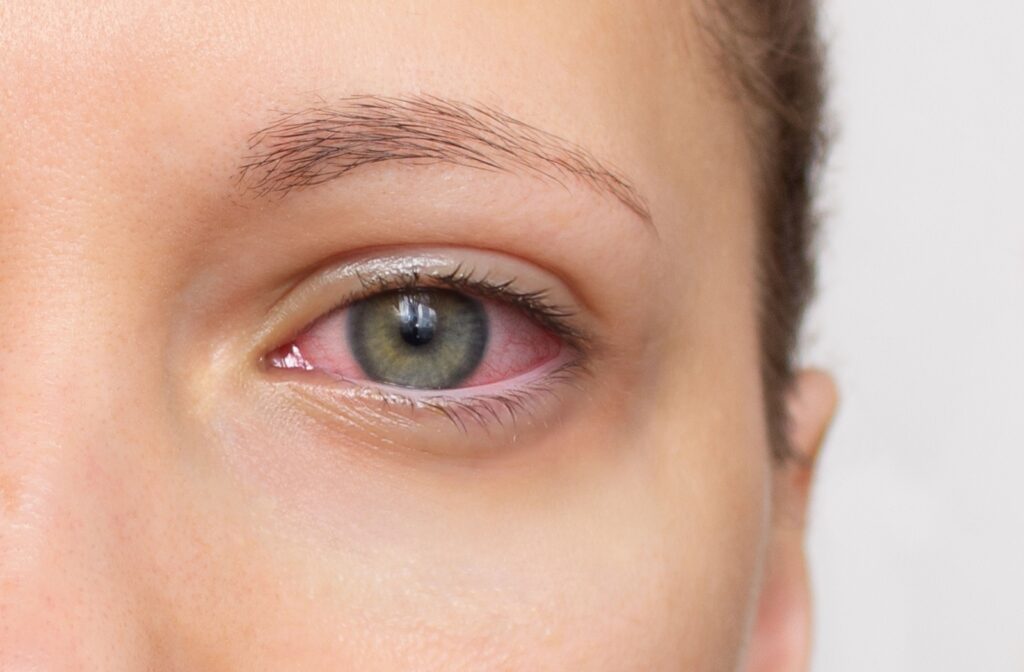
You blink, but that nagging, uncomfortable feeling in your eyes just won’t go away. It can feel like your eyes are tired, sandy, or just plain irritated. This constant distraction can make it tough to focus on your computer, enjoy a good book, or even drive comfortably at night.
If you’re dealing with this kind of discomfort, you might be experiencing dry eye. Dry eye often feels like a scratchy, stinging, or burning sensation that doesn’t get better with a few blinks or a good night’s rest. The team at Kennedy Eye Clinic knows this can be frustrating, and understanding what causes dry eye is the first step toward finding relief.
Common Signs and Symptoms of Dry Eye
You might have dry eye if you notice a few of these persistent feelings. The symptoms can range from slightly annoying to a major disruption to your day.
- A gritty or scratchy feeling, like sand is in your eye
- Stinging or burning sensations
- Redness and irritation
- Sensitivity to light
- Blurred vision, especially when you read
- Difficulty or discomfort when you wear contact lenses
Wait, Why Are My Eyes So Watery?
It sounds strange, but having very watery eyes can be a sign of dry eye. Your eyes may produce a flood of low-quality tears to try to make up for the dryness. These tears often don’t have the right balance of oil, water, and mucus to lubricate your eyes properly.
Does It Feel Like Your Eyes Are Just Tired?
Tired eyes and dry eyes can feel similar, but they aren’t the same. While tired eyes usually feel better after some rest, dry eye symptoms tend to stick around. If that heavy, strained feeling in your eyes doesn’t go away, it might be more than just fatigue.
What Are the Causes of Dry Eye?
Dry eye happens when your tears aren’t doing a good job of keeping your eyes moist. This can be for a few different reasons, from your daily habits to other health factors that affect your tear production or quality.
Your Environment and Daily Habits
Sometimes, your surroundings can contribute to dry eye. This can include being in windy or smoky places, living in a dry climate, or spending a lot of time in air-conditioned rooms. Long hours in front of a computer or phone screen can also be a factor because you tend to blink less, which can lead to digital eye strain.

Health, Age, and Medications
As you get older, tear production naturally slows down. Certain health conditions can also play a role, as can some common medications like antihistamines or blood pressure pills. These factors can change the amount or composition of your tears.
Could It Be Something Besides Dry Eye?
Some symptoms of dry eye overlap with other conditions. For example, seasonal allergies can cause itchy, red, and watery eyes. An eye infection might also cause redness and discomfort. The only way to know for sure what’s going on is to get a complete eye exam from a professional who can pinpoint the source of the issue.
Dry Eye Treatment Options
Finding relief from dry eye often involves a combination of at-home care and professional treatments. The right dry eye care plan depends on what’s causing your symptoms, so a personalized approach is often helpful for finding effective relief.
Simple Changes You Can Make at Home
- Stay hydrated: Make sure you drink plenty of water throughout the day.
- Take screen breaks: Follow the 20-20-20 rule—every 20 minutes, look at something 20 feet away for 20 seconds.
- Add moisture to the air: Use a humidifier in rooms where you spend a lot of time, like your bedroom or office.
Professional Care and Treatment
If at-home changes aren’t enough, an optometrist can help. Options may include preservative-free artificial tears, prescription eye drops, or in-office treatments such as LipiFlow, intense pulsed light (IPL), radiofrequency (RF), low-level light therapy (LLLT), and the Jett Plasma Pen.
When to Visit Your Optometrist
If your symptoms are persistent, affecting your daily life, or not getting better with over-the-counter drops, it’s time to book an appointment. A thorough eye exam can identify the cause of your discomfort and help you find effective relief. You don’t have to put up with constant eye irritation. Our team at Kennedy Eye Clinic is ready to help you find answers and get relief. Schedule your appointment today to get started on a path toward clearer, more comfortable vision.