

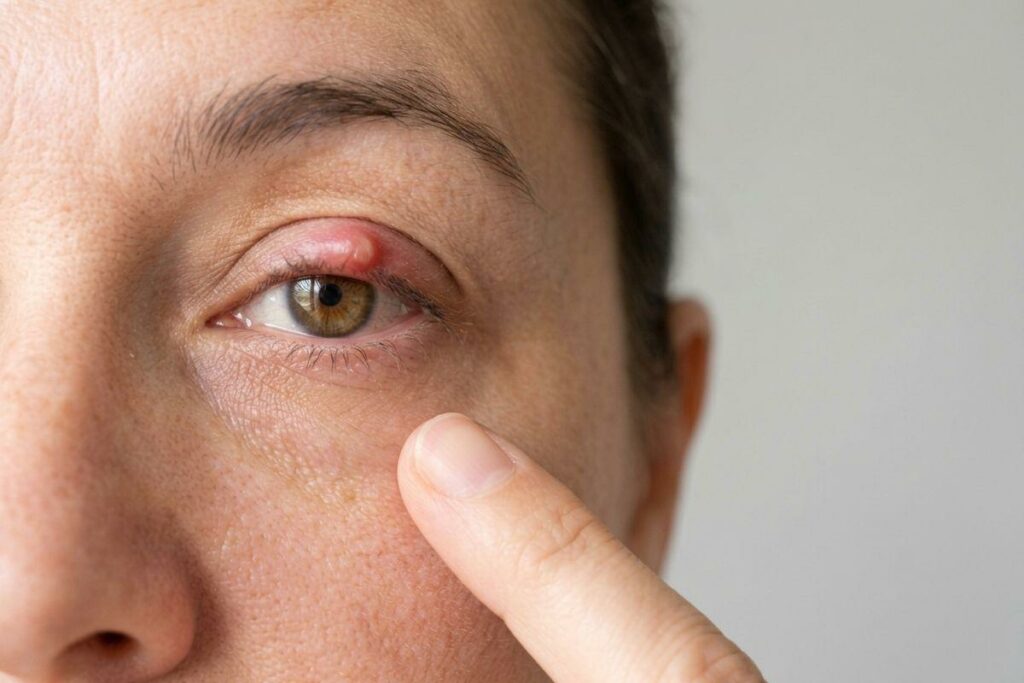
A stye is the small red bump that shows up along your lash line and leaves the whole eyelid feeling tender. It stings when you blink, and the lid feels warm to the touch. If you wear contact lenses, you’re probably also wondering when it’s safe to put them back in.
Most styes improve on their own within several days, although some can take a couple of weeks to fully resolve.
The Typical Stye Timeline
A stye tends to follow the same pattern every time. It starts as a small tender spot you can feel before you can see anything, and the swelling usually peaks within the first day or 2. That’s when the lid looks reddest and feels most sore.
After that peak, the bump drains and shrinks over the following few days.
Signs Your Stye Is Healing
Progress often shows up in small ways before the bump disappears. Watch for a few of these:
- Less tenderness when you blink or touch the lid
- A bump that’s noticeably smaller
- Redness fading across the lid
- Drainage slowing down, and no more crusting when you wake up
What a Stye Looks and Feels Like
Most people notice a stye before they go looking for one. Common signs include:
- A red bump near the eyelash line
- Stinging or tenderness when you blink
- A watery eye
- Sensitivity to bright light
- A gritty feeling, like a grain of sand got stuck in there
Where the bump sits changes what you see. An external stye forms at the base of an eyelash, right along the lid margin, so it’s easy to spot in the mirror. Internal ones develop deeper, inside an oil gland in the eyelid, and you may feel a lump more than you can see one. Either way, the home care is the same.
Why Styes Form
Your eyelids are lined with tiny oil glands that keep the surface of your eye comfortable. A stye is usually a bacterial infection involving one of the small glands near the base of an eyelash. Blocked glands and conditions such as blepharitis can increase the risk.
Conditions such as blepharitis, rosacea and problems with the eyelid oil glands can increase the likelihood of recurrent styes.
Everyday habits matter as well. Old makeup and lenses that haven’t been cleaned properly can both contribute. So can rubbing your eyes when they itch, which is easy to do without noticing.
Home Care for a Stye
Warm compresses are the main thing you can do at home, and the routine only takes a few minutes:
- Wash your hands, then soak a clean washcloth in warm water.
- Hold it against the closed eyelid for 5 to 15 minutes.
- Repeat 3 or 4 times a day, then wipe the lid gently.
Re-wet the cloth as needed to keep the compress comfortably warm. Grab a fresh one each time so you don’t put bacteria back onto the lid.
Keep the eyelid clean, and if the stye drains on its own, gently wipe away any discharge.
What to Avoid While a Stye Heals
A few habits can slow the healing process. While yours heals, skip:
- Squeezing or popping the bump
- Contact lenses, until the lid is back to normal
- Eye makeup of any kind
- Poking at the lid through the day
Habits That Lower Your Risk
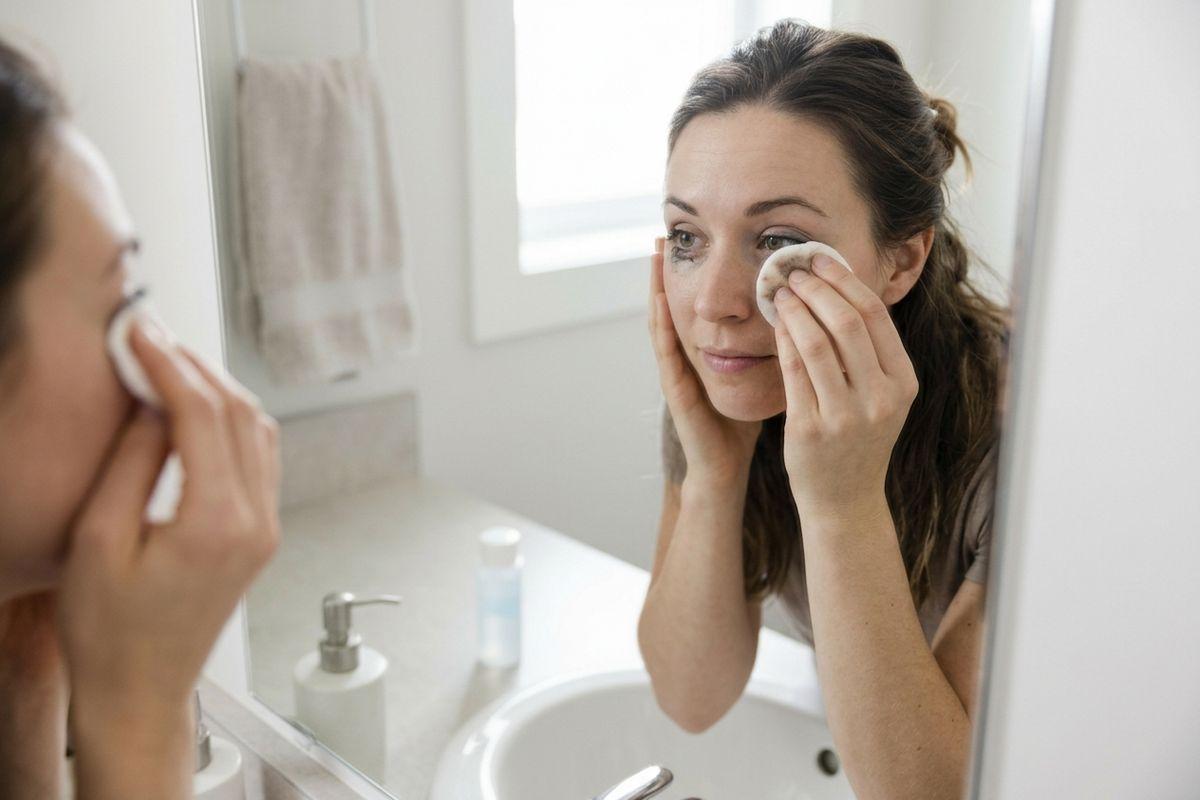
Small routines can keep styes from becoming a regular thing. Take your makeup off before bed, even on the nights you’d rather fall straight asleep.
Clean your lenses and your lens case on the schedule your optometrist gave you, and wash your makeup brushes regularly. Swap out mascara every 2 to 3 months instead of using the tube until it runs dry.
Washing your hands before you touch your face helps too, especially during allergy season when your eyes feel itchy.
When a Stye Needs an Optometrist
Many styes resolve on their own. But a swollen lid that isn’t improving deserves a closer look. Book an eye exam if you notice any of these:
- No change after 48 hours of warm compresses
- Blurry vision
- A bump that keeps growing
- Redness spreading across the lid
- A firm lump that lingers after the soreness fades
If home care isn’t enough, your optometrist may prescribe antibiotics when appropriate. At Kennedy Eye Clinic, these medically necessary optometry visits are covered by Saskatchewan Health Care.
If the stye or underlying eyelid gland problem doesn’t respond to conservative treatment, in-office treatments may also be an option. Depending on what’s causing the problem, treatments such as IPL (intense pulsed light), RF (radiofrequency), or Jett treatments can help address blocked or dysfunctional eyelid glands.
At your appointment, your optometrist can examine the eyelid closely, determine what’s behind the swelling, and recommend the most appropriate treatment.
Recurring styes usually point to something happening with the glands themselves. When blepharitis or dry eye is part of the picture, your optometrist can build a longer-term plan to keep the lids clear.
Get Ahead of a Stubborn Stye
If styes keep showing up, or blepharitis is part of the picture, the team can put together a management plan.
A stye is a small problem with a big personality, and it doesn’t have to ruin your week. Our team at Kennedy Eye Clinic can take a look and walk you through your options. Book your appointment today, and let us help you get comfortable again.