
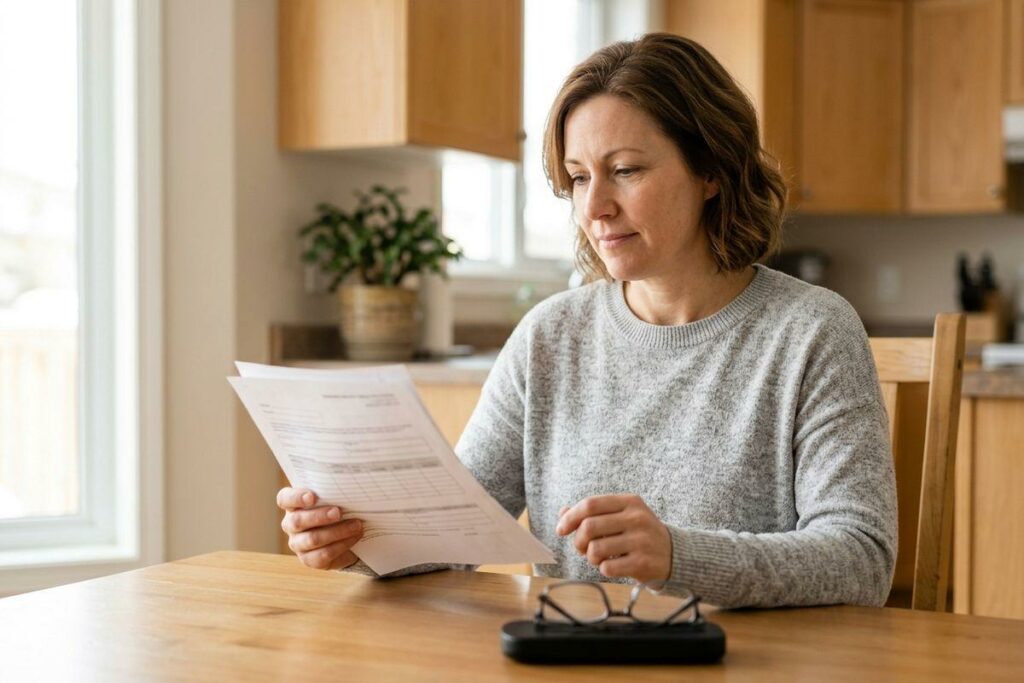
Most of us have a rough idea of what a dental cleaning or an oil change costs. It’s harder to guess what an eye exam costs, because the price depends on your age and on whether any coverage applies to you.
Without coverage, an eye exam usually costs between $150 and $200, and many people pay little or nothing once provincial coverage or workplace benefits apply. Knowing how often you should book an exam and what goes into a comprehensive eye exam can help you plan for the cost before you sit down in the exam chair.
What Affects the Cost of an Eye Exam
Clinics set their own fees, so prices vary from one office to the next. The type of appointment you book matters too.
A contact lens fitting is an additional fee on top of your comprehensive exam. It takes extra time and often includes follow-up visits to make sure your lenses sit comfortably on your eyes. Your total can also go up if you add:
- Retinal imaging
- Extra testing your optometrist recommends based on your eye health
- Return visits so your optometrist can monitor a change in your eyes
What Saskatchewan Health Covers for Eye Exams
Provincial health coverage includes eye exams for certain groups and situations. Children are covered for one eye exam a year, all the way up to age 17. Eye emergencies and diabetic eye exams are covered as well. Always refer to the government website for the most up-to-date information on their coverage.
Some adults qualify for extra help. If you receive Supplementary Health or Family Health Benefits, your exams are covered every 2 years from age 18 on. Eyewear coverage under these programs depends on your prescription and your needs.
Non-Insured Health Benefits
Non-Insured Health Benefits cover exams and prescribed eyewear for eligible First Nations and Inuit patients. If you also have private insurance, optometrists must bill that plan first.
How to Use Workplace Benefits for an Eye Exam
Workplace plans can cover a large share of what you spend on eye care. Many offer between $200 and $500 every 2 years, and that amount can often be used for a new pair of glasses or contact lenses. Some plans also let you split the amount between your exam and your eyewear, but most do not, so it’s important to check how yours works.
Ask about direct billing, too. We can send the claim straight to your insurer, and you’ll only pay the difference at your visit.
Questions to Ask Before Your Visit
Before you call your insurance provider, write down a few questions:
- How much vision coverage do I have?
- How often can I claim an eye exam?
- Can my optometrist bill you directly?
- Can any of my balance go towards glasses and contacts, or is it for eye exams only?
What’s Included in an Eye Exam
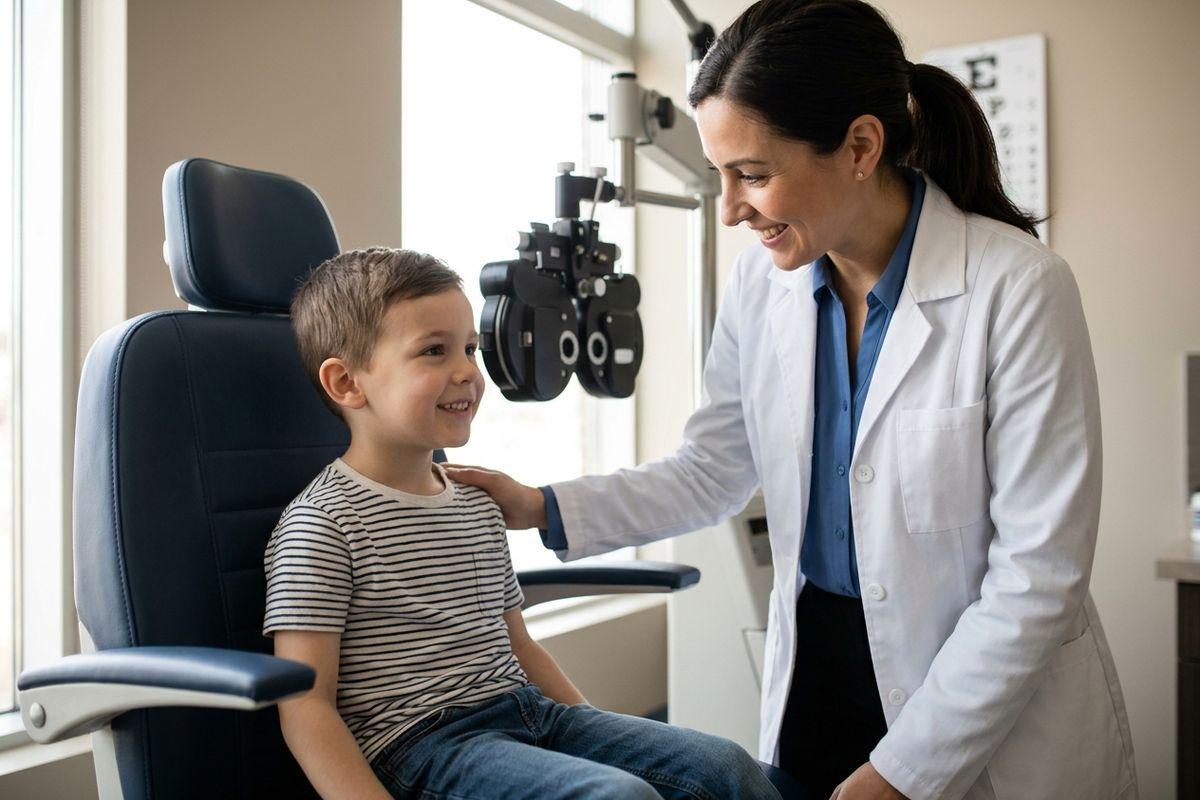
An eye exam is more than reading letters off a chart. Your optometrist checks your prescription for distance and near vision. That tells you whether road signs, small print, or both are giving you trouble. We’ll also measure your eye pressure, since high pressure inside the eye can damage the optic nerve over time. A peripheral vision test then shows how well you see off to the sides.
Retinal photos give us a detailed record of the back of your eye. At your next visit, we can compare the images and look for changes, sometimes before you notice anything yourself.
Signs You Should Book an Eye Exam Sooner
Your next scheduled visit might be a year or two away. Don’t wait that long if you notice any of these:
- Headaches after time on your phone or computer
- Tired, sore eyes after a long day of screen use
- Blurry vision while you’re driving
- Trouble reading small print
- Squinting more than you used to
How Often to Get an Eye Exam
Book your child’s first eye exam at 6 months old. This visit sets a baseline, and yearly exams after that let your optometrist follow how your child’s eyes develop as they grow. Adults between 18 and 64 can usually go every 2 years. If you wear contact lenses, have diabetes, or are at higher risk for eye problems, your optometrist may recommend visits more often. Once you turn 65, it’s good to plan a visit to your optometrist every year.
You can also keep your costs down with a little planning. Here’s where to start:
- Ask about exam and eyewear packages
- Find out whether payment plans are available
- Confirm what your plan covers before you book
Make the Most of Your Eye Exam Coverage
Cost shouldn’t stop you from booking an appointment. Once you know what your plan pays for, it’s a lot easier to plan for the visit and the glasses or contacts that may come after it.
Our team at Kennedy Eye Clinic can walk you through your options and help you use the benefits you already have. Book your eye exam today, and we’ll help you sort out the billing details.