
Key Takeaways
- Daily habits like screen breaks, sun protection, and clean hands support your vision over time.
- Colourful vegetables, fish, nuts, and seeds supply nutrients linked to eye health.
- Many people get what they need from food, though supplements may help with dietary restrictions.
- Habits like the 20-20-20 rule can reduce eye strain from long screen sessions.
- Diabetes, blood pressure, and family history all matter during an eye exam.
Think about what your eyes handled today. A phone screen before you got out of bed, a bright drive into the sun, hours of spreadsheets, then a show before sleep. That’s a long shift with very few breaks, and our team at Kennedy Eye Clinic hears about it often.
You can improve your eye health with a mix of small daily habits, a diet rich in colourful produce and healthy fats, smart screen and sun protection, and regular eye exams to catch changes early.
Why Daily Habits Matter for Your Vision
Screens, sunlight, and lifestyle choices all leave a mark on how your eyes feel by the end of the day. You’ve probably noticed the difference between a Saturday spent outdoors and a Monday spent staring at a monitor.
Small changes stack up. Swapping one snack, adding a pair of sunglasses to your bag, or looking away from your screen a few times an hour costs almost nothing and adds up over months and years.
Your eyes are also connected to the rest of you. What supports your heart and blood sugar tends to support your vision too, which is why an eye exam can reveal more than whether you need a new prescription.
Foods and Nutrients That Support Your Eyes
Vitamins A, C, and E
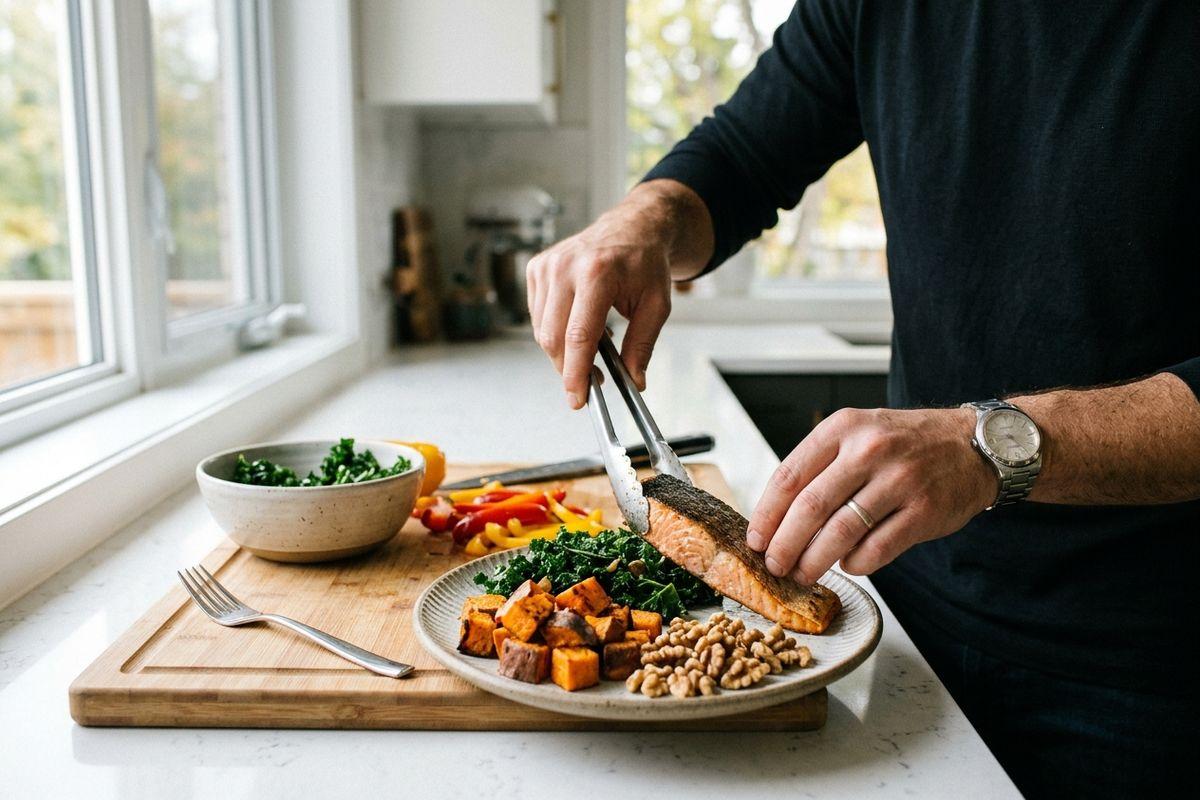
Sweet potatoes, carrots, and dark leafy greens bring vitamin A to the table. For vitamin C, reach for citrus, bell peppers, broccoli, and strawberries. Almonds, avocados, and sunflower seeds round things out with vitamin E.
A colourful plate is an easy shortcut here. If your dinner has three or four colours on it, you’re probably covering a lot of ground.
Lutein, Zeaxanthin, and Zinc
Kale, spinach, eggs, and peas supply lutein and zeaxanthin. Beans, poultry, and lean red meat are good sources of zinc.
A spinach and egg scramble handles both categories before you’ve even finished your coffee.
Omega-3 Fatty Acids
Salmon, sardines, and mackerel are known for omega-3 fatty acids, and so are flaxseeds, chia seeds, and walnuts if fish isn’t your thing. Omega-3s have been linked to relief from dry eye symptoms, so if your eyes feel gritty by mid-afternoon, this one’s worth a look.
Supplements vs. Whole Foods for Eye Health
For many people, whole foods cover the bases. A regular rotation of vegetables, fish, nuts, and seeds does more than a pill bottle sitting untouched on a shelf.
Supplements can help if you have dietary restrictions or you find certain foods hard to fit into your week. It’s a reasonable question to bring up at your next appointment so the recommendation matches your situation. Be sure to ask your doctor before starting any new supplements.
Don’t overlook water, either. Staying hydrated through the day supports overall eye comfort, especially in dry Saskatchewan winters when indoor heat pulls moisture out of everything.
Simple Ways to Protect Your Eyes Every Day
Screen Time and Eye Strain
Watch for these signs that your screen setup needs attention:
- Headaches that show up in the afternoon
- Blurry vision after long stretches of close work
- Dry, tired, or irritated eyes
If you notice any of these symptoms, changing your daily habits can help.
The 20-20-20 rule is easy to remember. Every 20 minutes, look at something 20 feet away for 20 seconds. That’s it.
Additionally, you can position your screen at about eye level and roughly an arm’s length away.
Sun, Smoke, and Hygiene
Sunglasses labelled for 100 percent UV protection matter year-round, and prairie snow glare is no joke. A wide-brimmed hat adds another layer of shade.
Smoking raises the risk of several eye conditions, so cutting back supports your vision along with everything else. And if you wear contact lenses, wash and dry your hands before you touch them, every time.
Health Conditions and Family History
Diabetes and high blood pressure both affect the eyes, so keeping those managed is part of caring for your vision. Share your family history with the eye doctor too. If glaucoma or macular degeneration runs in your family, that changes how closely things get monitored.
When to See an Optometrist in Saskatoon
Regular eye exams catch changes early, often before you notice anything yourself. That’s the whole point of going when your eyes feel fine.
An updated prescription also makes a real difference in your day. Squinting through an old prescription can leave you with headaches you’ve quietly accepted as normal.
As for whether eyesight can improve naturally, healthy habits support your eyes and can help you feel more comfortable, though they don’t change the shape of your eye or replace a prescription. An optometrist in Saskatoon can tell you what’s realistic for your eyes specifically.
Come See Us
Our team at Kennedy Eye Clinic takes a local, customized, and caring approach to eye care. Book your next eye exam and get answers that fit your life.